Process Technology
If you have a technical mind, you’re in luck. Houston is home to the largest petrochemical and refining complex in the nation! As a skilled process technician, you will always be in demand. Train in our industry-designed labs and be one of the many students hired directly from our program.
Why Study Process Technology at San Jac?
Train in State-of-the-Art Labs
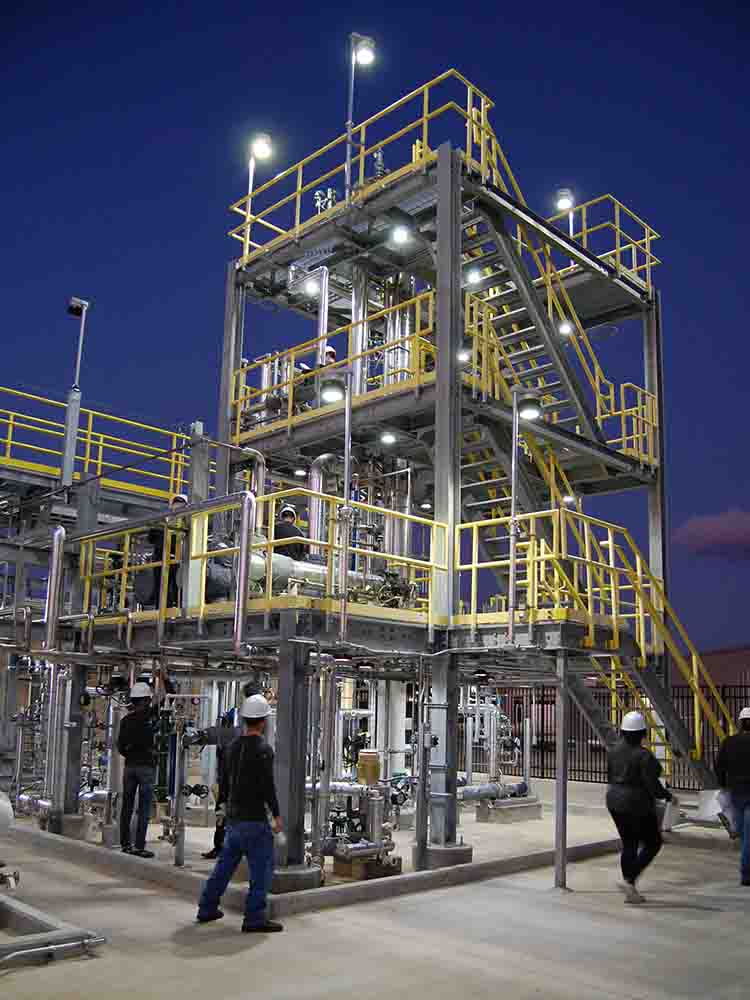
Study at state-of-the-art process laboratory facilities built with local petrochemical companies. The world-class LyondellBasell Glass Distillation Plant at our Central Campus offers real-world scenario experience.
Prepare for Gulf Coast Industry
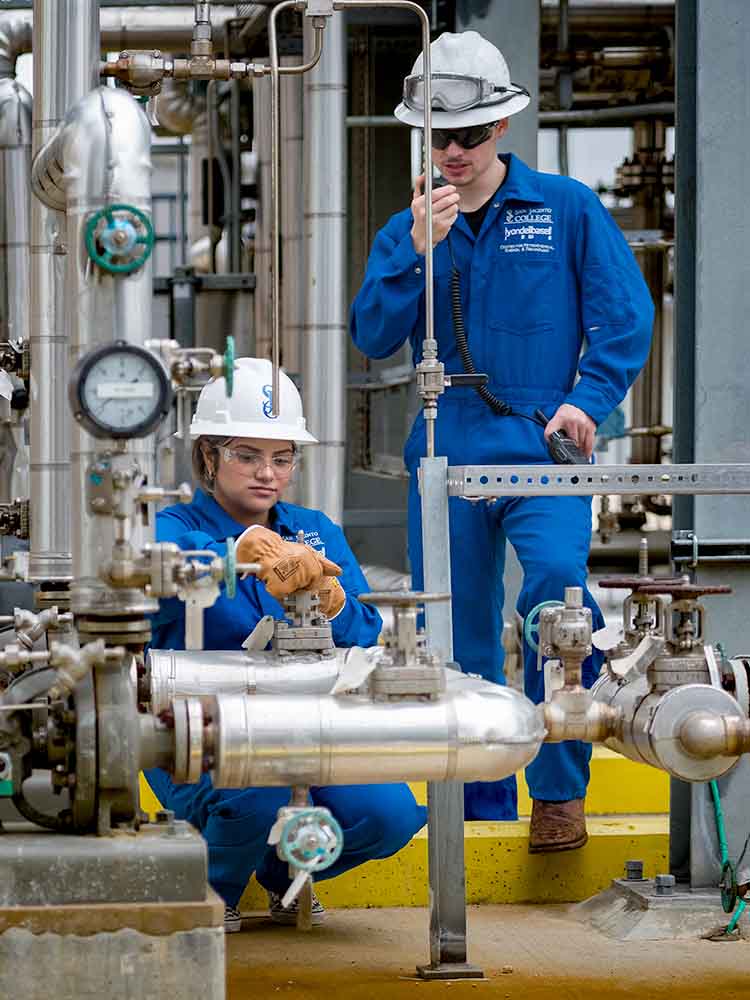
Houston is home to the nation’s largest petrochemical and refining complex. Skilled process technicians continue to be in high demand.

Learn by Doing
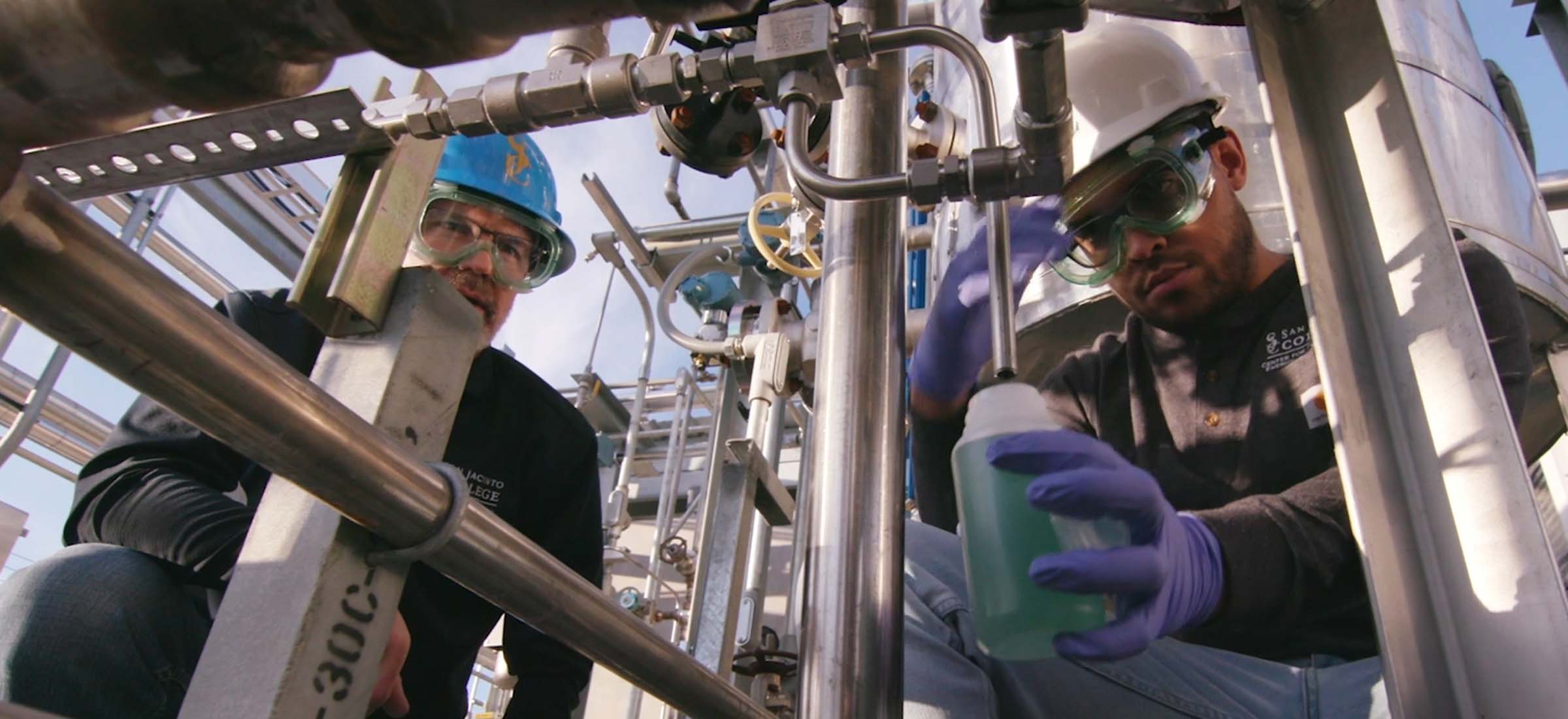
Practice troubleshooting, process control, and plant operations through hands-on training that reflects real industrial environments.

Built With Industry Support
The program is recognized by the North American Process Technology Alliance (NAPTA). You’ll also earn the Texas Skill Standards recognized program seal on your AAS degree.
Careers
Process Technology program graduates can find employment in:
- Chemical plants
- Refineries
- Wastewater treatment plants
- Canneries
- Pharmaceutical plants
- Paper mills
- Terminals
- Pipelines
- Fuel storage depots
DEGREES & CERTIFICATES
Chemical Technician, Enhanced Skills Certificate
Process Technology, AAS
Process Technology, Level 2 Certificate
CAREER TRACKS
The content below shows a flowchart of the career tracks.
After San Jacinto College
Upon completion of the program, students are prepared for entry-level careers or transfer to a partner university.
Industry Support and Program Accreditation
Texas Skill Standards Board
Our Associate of Applied Science (AAS) degree in Process Technology is recognized by the Texas Skill Standards Board (TSSB). Students will earn the Texas Skill Standards recognized program seal affixed to their diploma.
North American Process Technology Alliance

Sounds great, but how do I apply?
Your Questions Answered
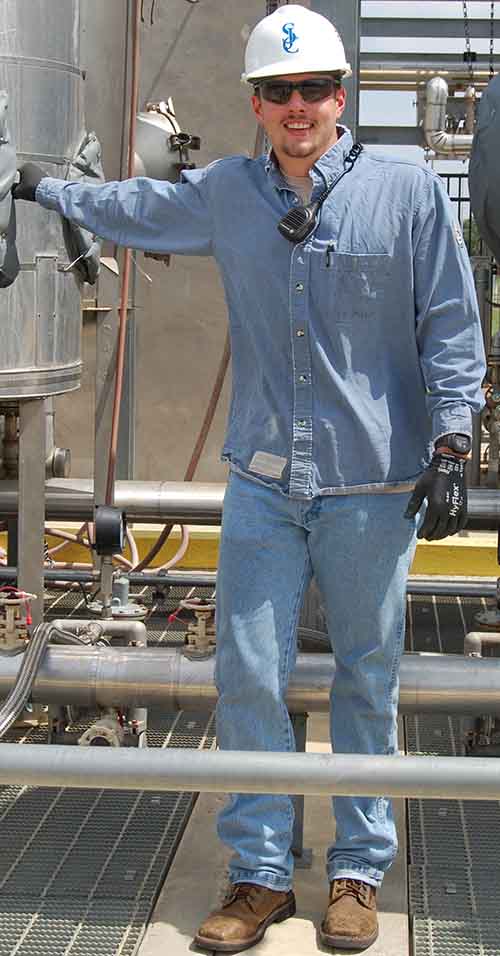
You'll need to always follow a professional, safety-focused dress code, especially in labs or hands-on training areas:
- Clean clothing free of offensive graphics/language and appropriate for industrial settings
- Long pants, such as jeans or work pants (no shorts or skirts)
- Closed-toe, slip-resistant shoes (no open-toe shoes)
- Personal protective equipment like safety glasses, hard hats, and gloves during lab activities (loose clothing, dangling jewelry, or long, unsecured hair may present safety hazards)
If you don’t follow the dress code and personal protective equipment (PPE) requirements, you may be removed from the building. You'll need to treat the building and lab environments with the same level of professionalism required in a plant setting.
The program is recognized by the North American Process Technology Alliance (NAPTA). Program recognition shows that you’re learning skills that match current industry standards. NAPTA reviews and supports Process Technology programs to help prepare students for today’s workforce needs.
The Associate of Applied Science (AAS) degree in Process Technology is also recognized by the Texas Skill Standards Board (TSSB). As a graduate, you’ll earn the Texas Skill Standards recognized program seal on your degree. This seal shows employers that your training meets skills and knowledge standards identified by industry leaders and recognized by the state of Texas.
These recognitions can help strengthen your resume and show employers that you completed a program aligned with industry expectations.
Yes, however, any process technology core courses transferred into the program must be completed at a North American Process Technology Alliance (NAPTA)-certified institution. Please consult with the department chair or a program advisor to determine which courses are eligible for transfer.
Note: A 3-credit-hour course is not equivalent to a 4-credit-hour course, which may affect transferability.
Join the club
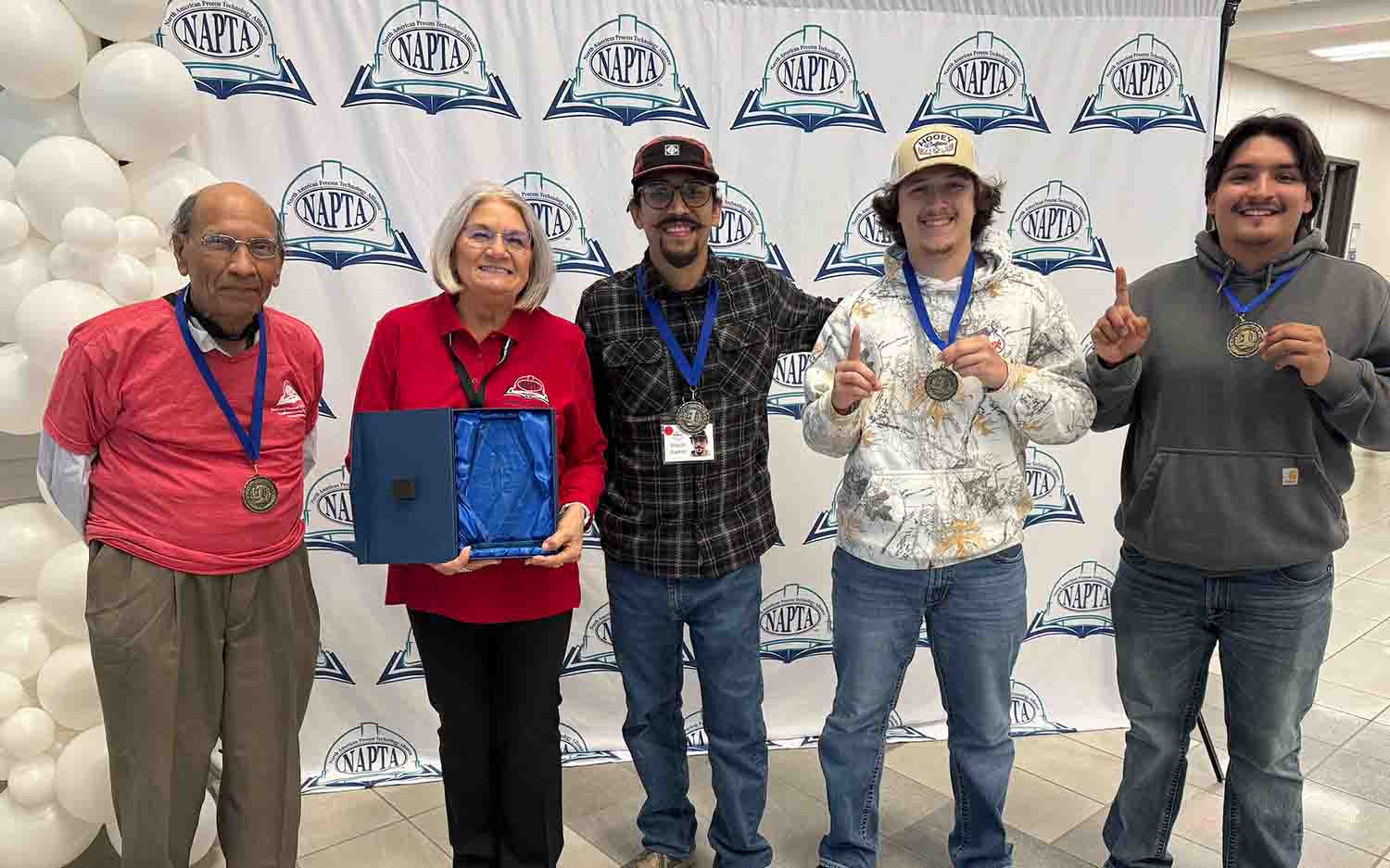
We have an amazing Process Technology student club. With multiple national championship titles, this club will give you many opportunities to fine-tune your skills as you complete the program.
Find the club or reach out to the department chair for more information.
Be Prepared for the Field
Because of workplace safety, the oil and gas industry has strict hiring rules. Here’s what you should know when preparing for work:
Employers will consider:
Criminal History
- Felonies — especially related to violence, theft, or drugs — can disqualify you. Some companies may review when the offense happened and what occurred.
Work History
- Gaps or inconsistencies will be reviewed.
Education/Certifications
- All degrees, licenses, and certifications will be verified.
TWIC Card
- Some jobs may require a Transportation Worker Identification Credential, especially for offshore or federally contracted work.
Additionally, many employers have a preferred academic experience, looking for students who hold an AAS degree over a certificate and students who maintained a GPA of 3.0 or higher.
Employers will consider:
Criminal History
- Felonies — especially related to violence, theft, or drugs — can disqualify you. Some companies may review when the offense happened and what occurred.
Work History
- Gaps or inconsistencies will be reviewed.
Education/Certifications
- All degrees, licenses, and certifications will be verified.
TWIC Card
- Some jobs may require a Transportation Worker Identification Credential, especially for offshore or federally contracted work.
Additionally, many employers have a preferred academic experience, looking for students who hold an AAS degree over a certificate and students who maintained a GPA of 3.0 or higher.
Employers require drug testing before hiring and often conduct it randomly during employment. Even legal substances like marijuana can disqualify you if they appear on a test. A failed or refused drug test can be reported and may hurt your future job opportunities.
Process Technology Orientation:
In addition to San Jac's New Student Orientation, you need to attend a process technology orientation, which is part of your introductory
course to the program. You’ll receive details when you begin PTAC 1302 (Introduction
to Process Technology).
Professionalism
- Arrive on time and come prepared for both classes and labs (see Procedure.V.5001.A.c, Shift Workers, regarding attendance accommodations).
- Show respect toward instructors, advisors, staff, peers, and guests.
- Wear personal protective equipment at all times and follow all safety protocols.
- Use professional language and behavior in all settings.
Academic Commitment
- Maintain a minimum 3.0 GPA in all coursework, in the capstone course, and for job competitiveness.
- Submit assignments and lab work on time.
- Participate in class and ask questions.
Attention to Detail
- Follow all procedures carefully, with safety being the highest priority.
- Learn how to read piping and instrumentation diagrams, technical manuals, and safety data sheets.
- Keep an organized notebook or binder with class materials.
Career Readiness
- Begin building a resume and practicing interview skills early.
- Take advantage of networking opportunities with industry professionals.

Support for your studies